Tasting menu restaurant: what it is, how it works and how to choose it
Before booking a special table, one question always comes up: what exactly is a tasting menu — how many courses, how long, how much, and do I have to finish everything? This guide answers it plainly, without jargon.
In short
A tasting menu is a sequence of several small courses composed by the chef and served in a deliberate order — often 3, 5, 7 or more. You do not pick dish by dish: you are guided. Expect 2 to 3 hours, small portions, and an optional wine pairing (by the glass) or an alcohol-free version. Prices range from bistronomic to Michelin-starred. Flag allergies when booking, book ahead, and let yourself be carried by the rhythm. Bistronomy offers the tasting spirit without the rigidity or the price of haute cuisine.
What is a tasting menu?
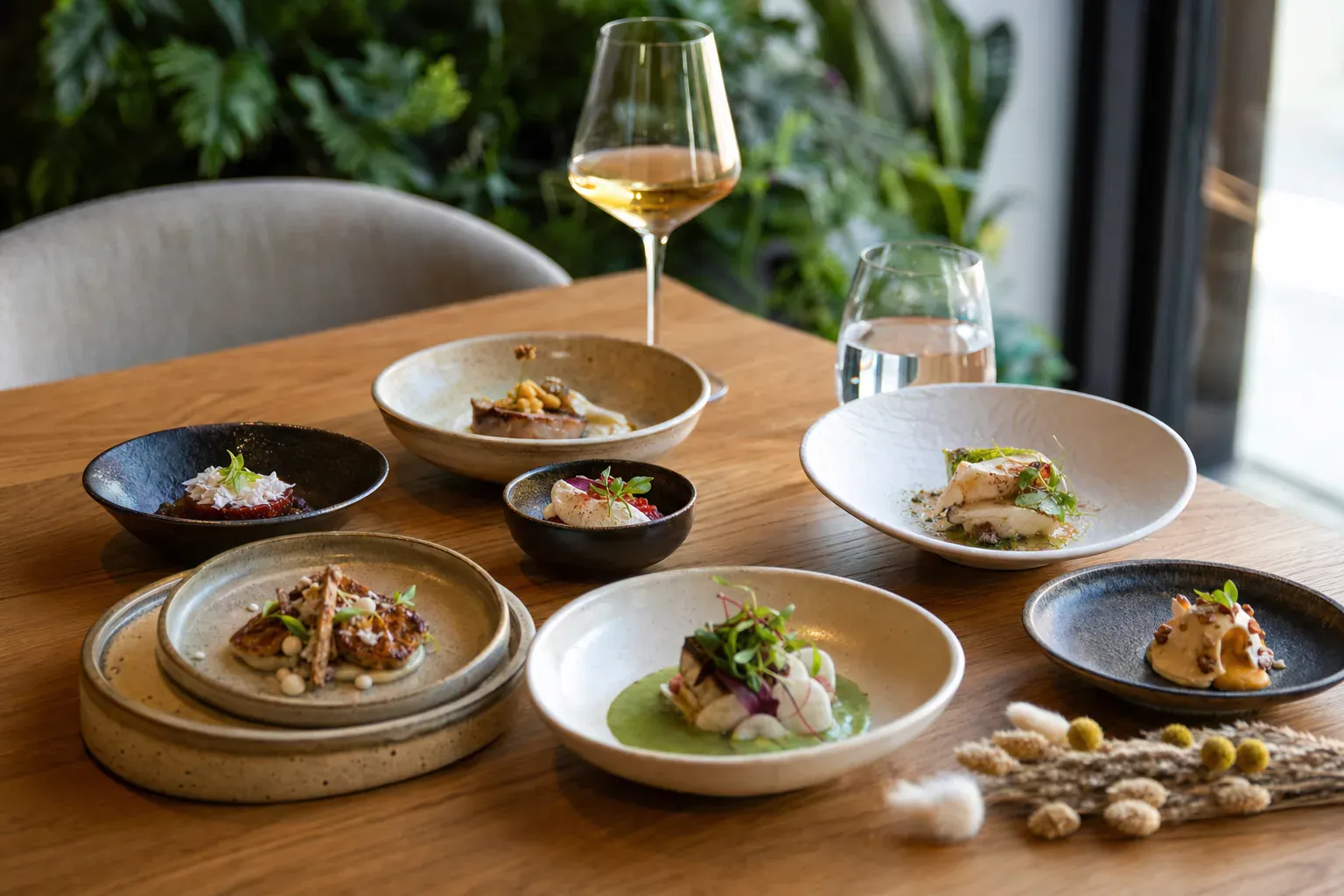
A tasting menu is a succession of several small courses, designed and ordered by the chef, that you follow from start to finish without choosing dish by dish. Where the à la carte lets you build your meal, the tasting menu flips the logic: the kitchen takes the lead and offers a journey of flavours.
The format comes from haute cuisine and gradually spread, notably into bistronomy, with shorter, more accessible and more relaxed versions. The core idea remains: tasting many things in small bites rather than one large plate.
It differs from the quick lunch formula and from the à la carte, where you stay in control of your choices. The tasting menu is a guided experience: sit down, trust the kitchen, and enjoy.
Tasting menu vs à la carte: the “journey” principle
The key difference is the journey. À la carte, you decide everything. On a tasting menu, the chef sets a progression — from the most delicate to the most intense — because each course prepares the next. Giving up the choice is what lets the cuisine surprise you and build a true crescendo.
How does a tasting menu work?
A tasting menu reads like a story in several chapters. The number of courses, their order and the size of the plates follow a precise logic so pleasure builds gradually.
The number of courses
Menus often come in 3, 5 or 7 courses, sometimes far more. The higher the number, the smaller each portion: the aim is variety, not quantity.
Order and rhythm
The classic thread runs from amuse-bouches to starters, main courses, a pre-dessert, dessert and petits fours with coffee. Intensities rise progressively.
Portions
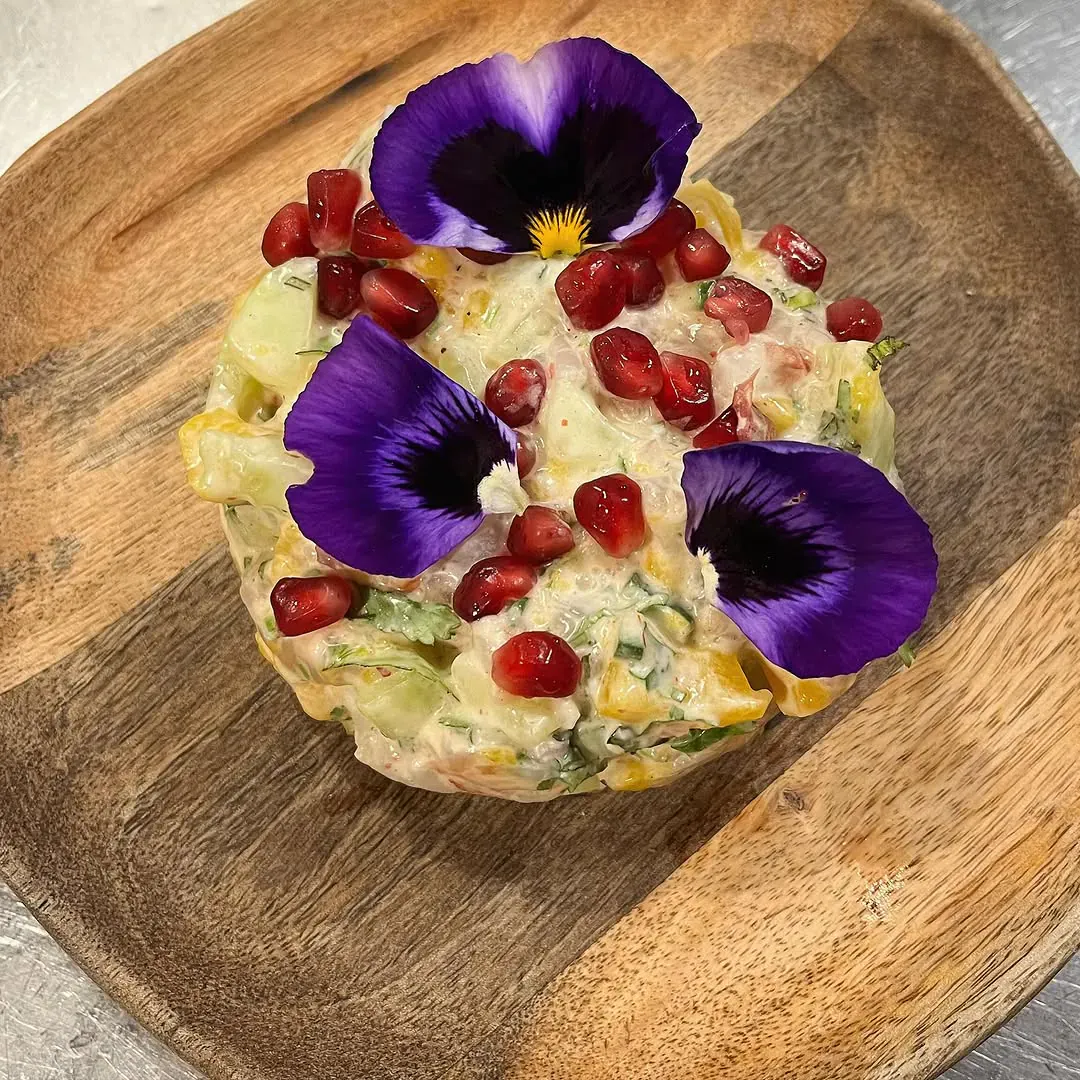
Plates are deliberately small. Added up, they make a full, generous meal while keeping the palate awake and avoiding heaviness.
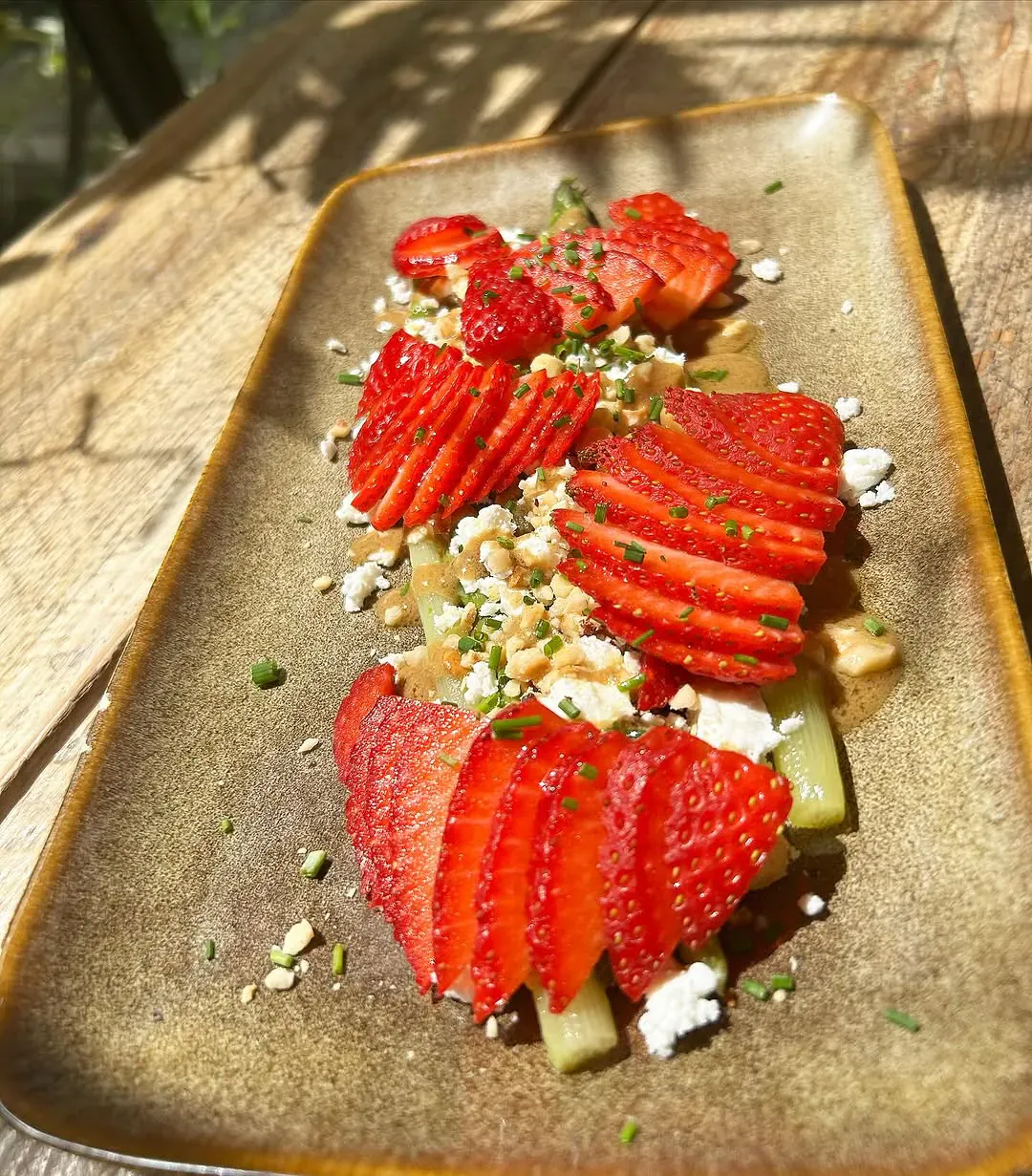
One reassuring point: no, you do not have to finish everything. Politely saying you are full is perfectly fine — it is a pleasure, never an endurance test.
How long does a tasting meal last?
Expect two to three hours, sometimes more. It is not slowness but rhythm: between courses the kitchen plates, the service tells the story, the palate rests. Time is part of the experience.
So book a tasting menu for a moment when you are not rushed. Warn the team of any constraint (a train, a show) — they can sometimes tighten the service.
This length is also why these meals are booked: the kitchen plans around the number of guests and the arrival time. Booking ahead means the best conditions.
Wine pairing
Most tasting menus offer an optional wine pairing — one of the format’s great pleasures and most common questions.
With or without pairing
The pairing is almost always optional: follow the menu alone, choose a bottle, or opt for the pairing. Nothing forces you — but it often elevates the meal.
How pairing by the glass works
The sommelier matches each course with a wine by the glass. Glasses are small, like the portions, to accompany without saturating. You discover several wines along the way.
Alcohol-free alternatives
More and more tables offer a non-alcoholic pairing: infusions, fermented juices, kombuchas, cold teas. A serious, tasty option — just ask when booking.
How much does a tasting menu cost?
There is no single price but ranges depending on the table. In bistronomy a tasting menu stays accessible; in confirmed haute cuisine it rises; at starred tables it enters the realm of the exceptional.
Why the price? Many courses mean many preparations, meticulous plating and fine produce bought fresh in small quantities, plus the length of the meal and a trained service. The price rewards craft, not just ingredients.
Think value-for-pleasure rather than cost per plate. Bistronomy offers exactly that tasting pleasure without the vertigo of top houses.
The tasting menu in bistronomy
Bistronomy blends the bistro and gastronomy: the same demand on produce and technique, in a relaxed setting. Applied to the tasting menu, it keeps the flavour journey and creativity while easing the length, solemnity and price.
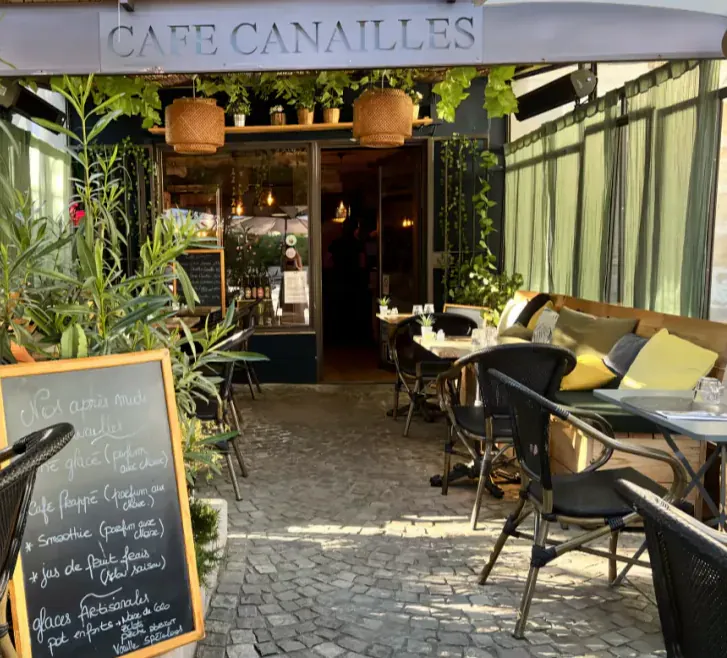
That is the spirit we cultivate at Café Canailles in Venelles, ten minutes from Aix-en-Provence: seasonal produce, short-circuit sourcing, a menu that follows the markets and a warm welcome under the plane trees.
For more on what really sets these cuisines apart, we cover it in a dedicated article. Read on to understand the nuances: difference between bistronomy and gastronomy.
How to choose and enjoy your tasting menu
Flag allergies and diets when booking
The number-one reflex. As the menu is set in advance, telling the kitchen early lets it adapt without last-minute improvisation.
Book ahead
A tasting menu is prepared: produce ordered, service sized. Booking a few days ahead secures your place and lets you flag an occasion or a pairing.
Codes and etiquette
Nothing stiff: follow the rhythm, keep some appetite for later, and do ask the server questions — it is encouraged. A discreet photo is fine.
Choose the right table
Discovery on a budget? A bistronomic table. A grand occasion? Move up to gastronomy or a starred table. Match the format to the moment.
For which occasions?
Because it takes time and invites you to let go, the tasting menu shines in certain contexts.
Dinner for two
The slow rhythm and shared discovery make it a wonderful excuse for a long evening together.
A birthday or celebration
To mark a date, a tasting menu turns a meal into an event. Mention the occasion when booking.
A taste for discovery
The ideal format to explore a chef’s style and step out of your habits, simply letting yourself be guided.
A glimpse of our current cooking? discover our menu, renewed with the seasons.
Tasting menu: your questions
Going further
Fancy the tasting spirit in a relaxed setting? At Café Canailles in Venelles, our seasonal cooking and the chef’s suggestions change with the markets. Discover our carte bistronomique venelles then book your table to be carried by the produce of the moment.
Book at Café CanaillesAlso read
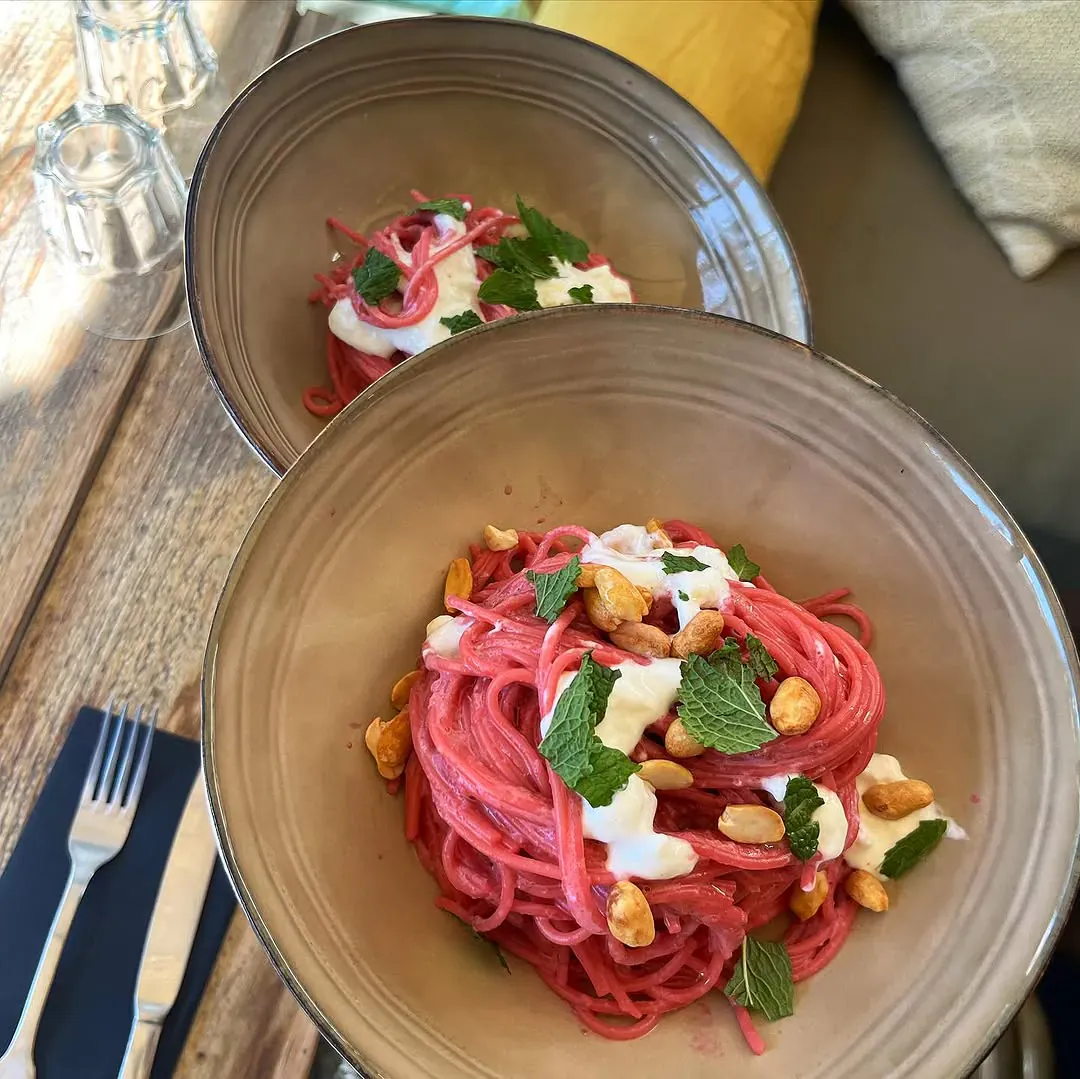
Bistronomy: definition and difference with gastronomy
What truly sets bistronomy apart from haute cuisine, and how to spot a genuine table.
Learn more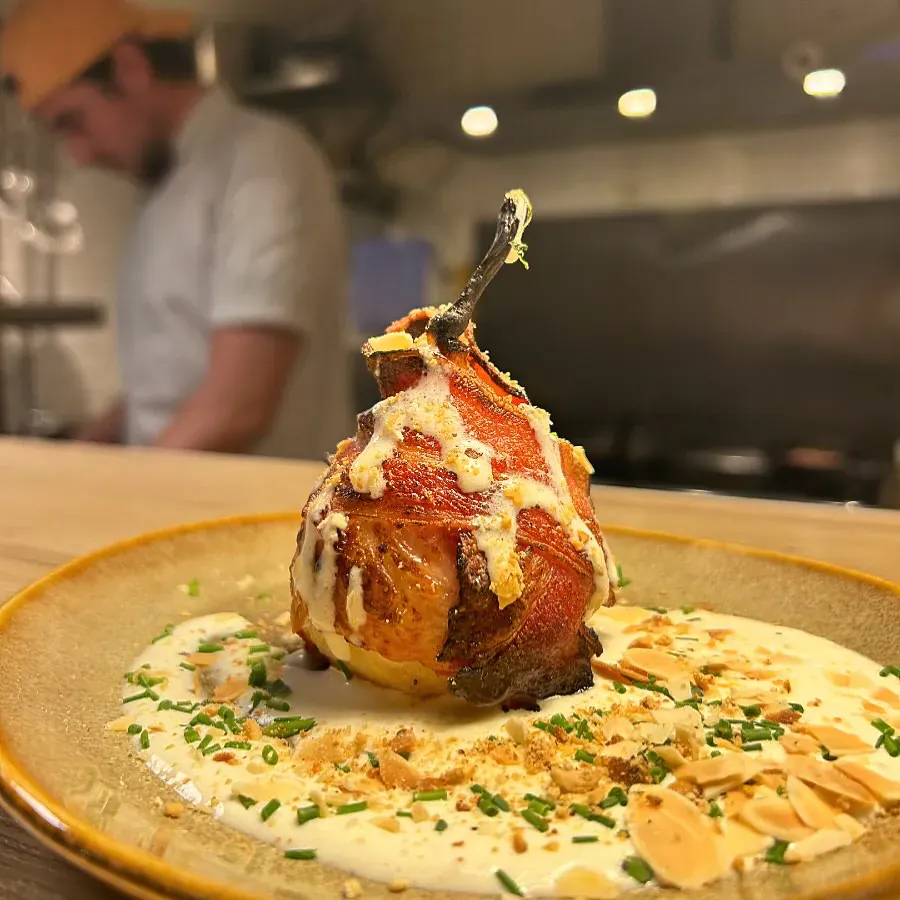
Michelin-starred restaurant Aix-en-Provence
On the haute cuisine side: the Michelin tables of the Pays d’Aix and their tasting menus.
Learn more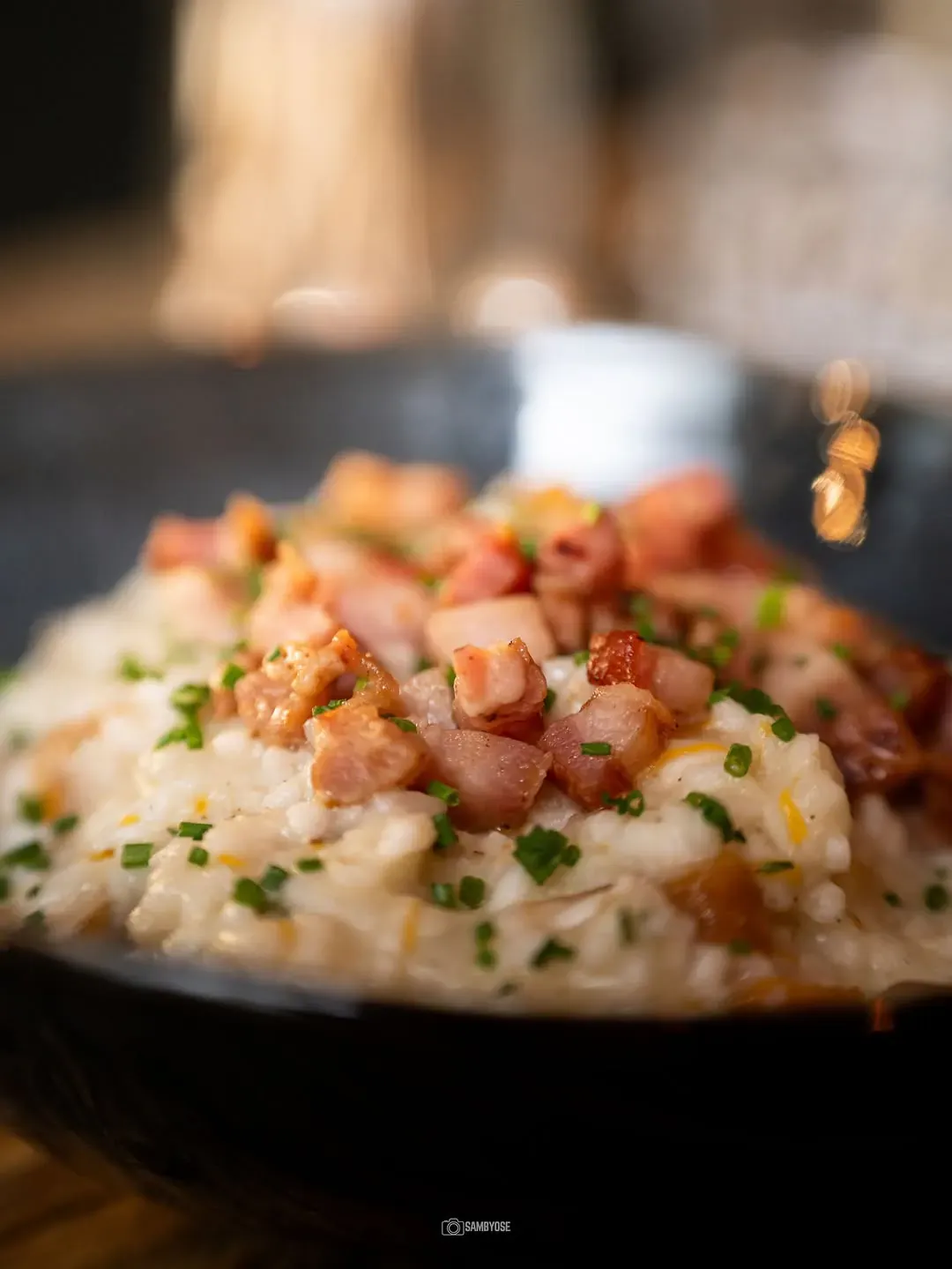
Gastronomic restaurant Venelles
The village’s exceptional tables reinventing gastronomy near Aix-en-Provence.
Learn more